Tofino sits at the heart of one of the world's great whale migration routes. Here's everything you need to know to see gray whales, humpbacks, and orcas on your visit.
Gray Whales
Year-round residents + massive spring migration
Peak: March–May
Humpback Whales
Dramatic breaches & tail slaps
Peak: April–October
Orcas
Transient & resident pods
Most common: May–September
Other Marine Life
Sea otters, sea lions, dolphins, porpoises
Year-round
Why Tofino is One of the Best Places in Canada to Watch Whales
Tofino’s position on the outer edge of Vancouver Island — where Clayoquot Sound meets the open Pacific — makes it one of the most reliably productive whale watching destinations in North America. The deep, nutrient-rich waters just offshore support enormous quantities of krill, herring, and small fish, creating a year-round feeding ground that attracts multiple whale species throughout the seasons.
Unlike some whale watching destinations where a sighting is never guaranteed, Tofino offers whale activity year-round, with certain seasons delivering near-certain encounters.
What Whales Can You See in Tofino?
Gray Whales
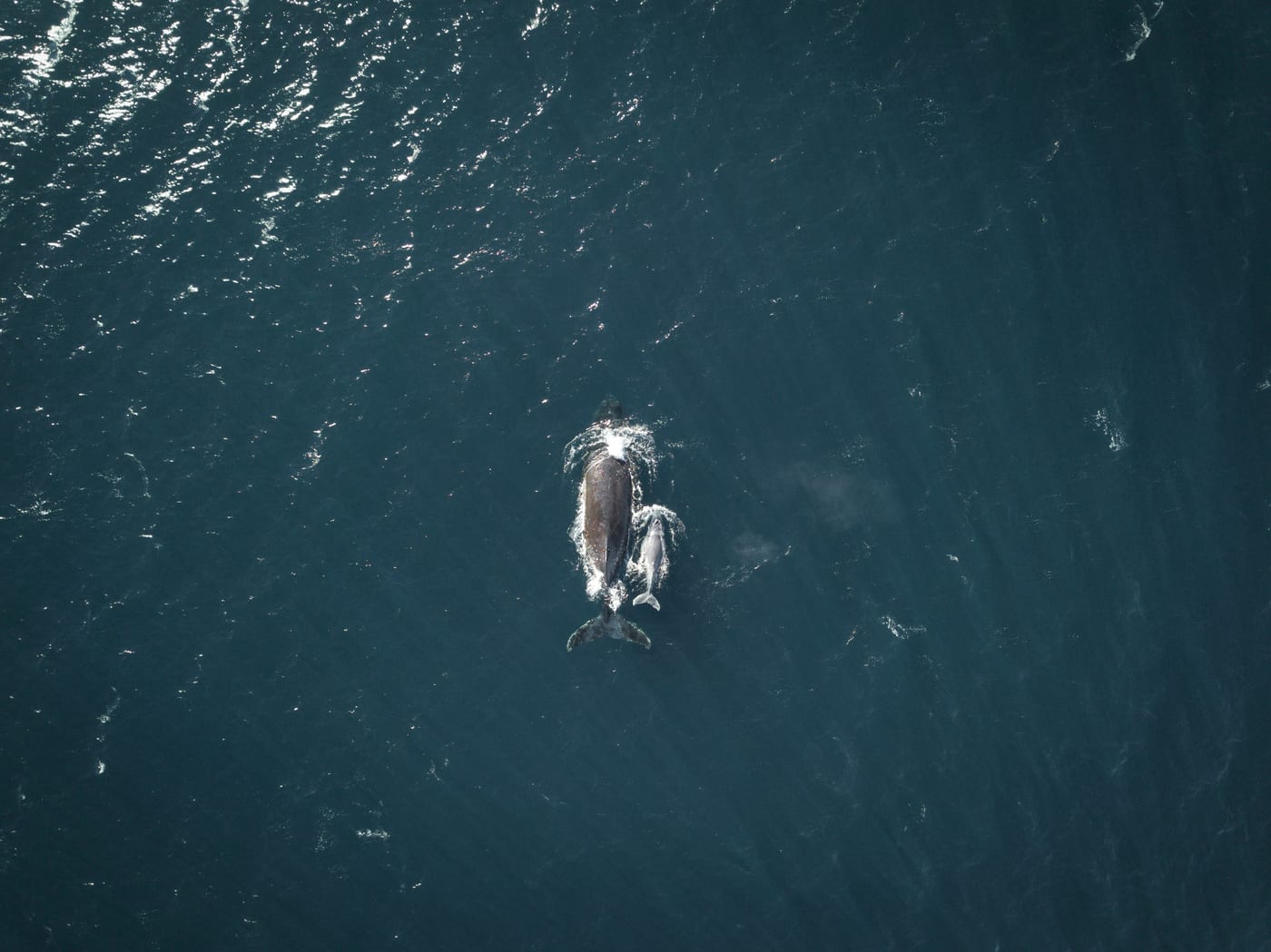
Gray whales are Tofino’s star attraction. Every year, approximately 20,000 gray whales migrate along the Pacific Coast from their winter breeding grounds in the lagoons of Baja California, Mexico to their summer feeding grounds in the Bering and Chukchi Seas — a round trip of up to 16,000 km, the longest migration of any mammal on Earth.
The northward migration passes directly offshore of Tofino from late February through May, with the peak in late March and April. A smaller population of several hundred gray whales — known as the Pacific Coast Feeding Group — stays in the area year-round, feeding in the shallow waters of Clayoquot Sound. These resident whales can be spotted from the beach or on tours throughout the summer.
Humpback Whales
Humpback whales have made a remarkable comeback in BC waters after near-extinction in the 20th century. They are now regularly seen off Tofino from April through October, with peak sightings in summer and fall. Humpbacks are showier than gray whales — known for dramatic breaches, tail slaps, and their hauntingly beautiful songs. Encountering a feeding humpback is one of the great wildlife experiences the BC coast offers.
Orcas (Killer Whales)
Both resident and transient orca pods patrol the waters around Tofino seasonally. Transient orcas — which feed on marine mammals — are most frequently sighted from May through September, often while hunting seals or sea lions in the kelp forests. Resident orca pods, which feed primarily on salmon, pass through during salmon runs in late summer and fall. Orca sightings are less predictable than gray whale encounters but not uncommon — tour operators report multiple sightings each week in peak season.
Other Marine Mammals
While not whales, Tofino waters also support large populations of Steller sea lions, harbour seals, sea otters (increasingly common after reintroduction), Dall’s porpoises, and Pacific white-sided dolphins. Most whale watching tours encounter several of these species alongside the whales themselves.
Best Time for Whale Watching in Tofino
Whale Watching Tour Operators in Tofino

Several professional tour operators run whale watching excursions from Tofino’s main dock. Most offer 2–3 hour tours by zodiac or covered vessel:
Remote Passages
One of Tofino’s oldest and most respected operators. Both zodiac and covered boat options available.
Jamie’s Whaling Station
Long-running family business. Multiple vessel types and combination wildlife tours.
Ocean Outfitters
Zodiac tours with naturalist guides and small group sizes for a more personal experience.
Tofino Whale Watching
Covered vessel tours — ideal for families and those who prefer stability on the water.
Book in advance: All operators employ certified naturalists and follow Transport Canada marine mammal protection guidelines. During March–April and July–August, tours sell out weeks ahead.
Whale Watching from Shore
You don’t always need a boat. Tofino’s beaches and headlands offer surprisingly good shore-based whale watching, particularly during spring migration when gray whales pass very close to the shoreline.
- Chesterman Beach — particularly the north end — is one of the best shore-based spots. Gray whales are regularly spotted feeding in the shallows just offshore during spring
- Cox Point — the headland at the south end of Cox Bay offers an elevated vantage point over the open Pacific
- Radar Hill — the highest point accessible by road in Pacific Rim National Park, excellent for scanning the ocean
- Long Beach — the sheer length of this beach increases your chances of spotting surfacing whales during migration
Shore watching tip: Bring 10x42 binoculars, dress in layers, and be patient. Early morning and late afternoon — when the sea is typically calmer and light is softer — are the most productive times.
Responsible Whale Watching
Tofino’s whale watching operators follow strict Transport Canada guidelines to protect the wildlife that makes this area so remarkable:
- No vessel approaches within 100 metres of a whale
- No vessel parks directly in a whale’s path
- Engines are throttled down near whales
- Tours do not pursue or chase whales
As a visitor, avoid throwing anything in the water and keep voices down when near wildlife. The incredible abundance of marine life in Clayoquot Sound is the result of careful management and conservation — it’s worth protecting.
Whale Watching from Nootka Tofino
Guests staying at Nootka Tofino on Chesterman Beach are perfectly positioned for both shore-based and boat-based whale watching. The beach is a 2-minute walk from the property, and gray whales have been spotted feeding just offshore directly from Chesterman Beach during the spring migration. Most tour operators are a 10-minute drive away at Tofino’s main dock on 4th Street. After a morning on the water, warming up in the cedar barrel sauna or soaking in the hot tub while watching the ocean is the perfect end to a whale watching day.
Planning a Tofino whale watching trip? Book Nootka House direct — a Tofino vacation rental steps from Chesterman Beach with private cedar barrel sauna and hot tub. Save up to 14% vs. Airbnb.