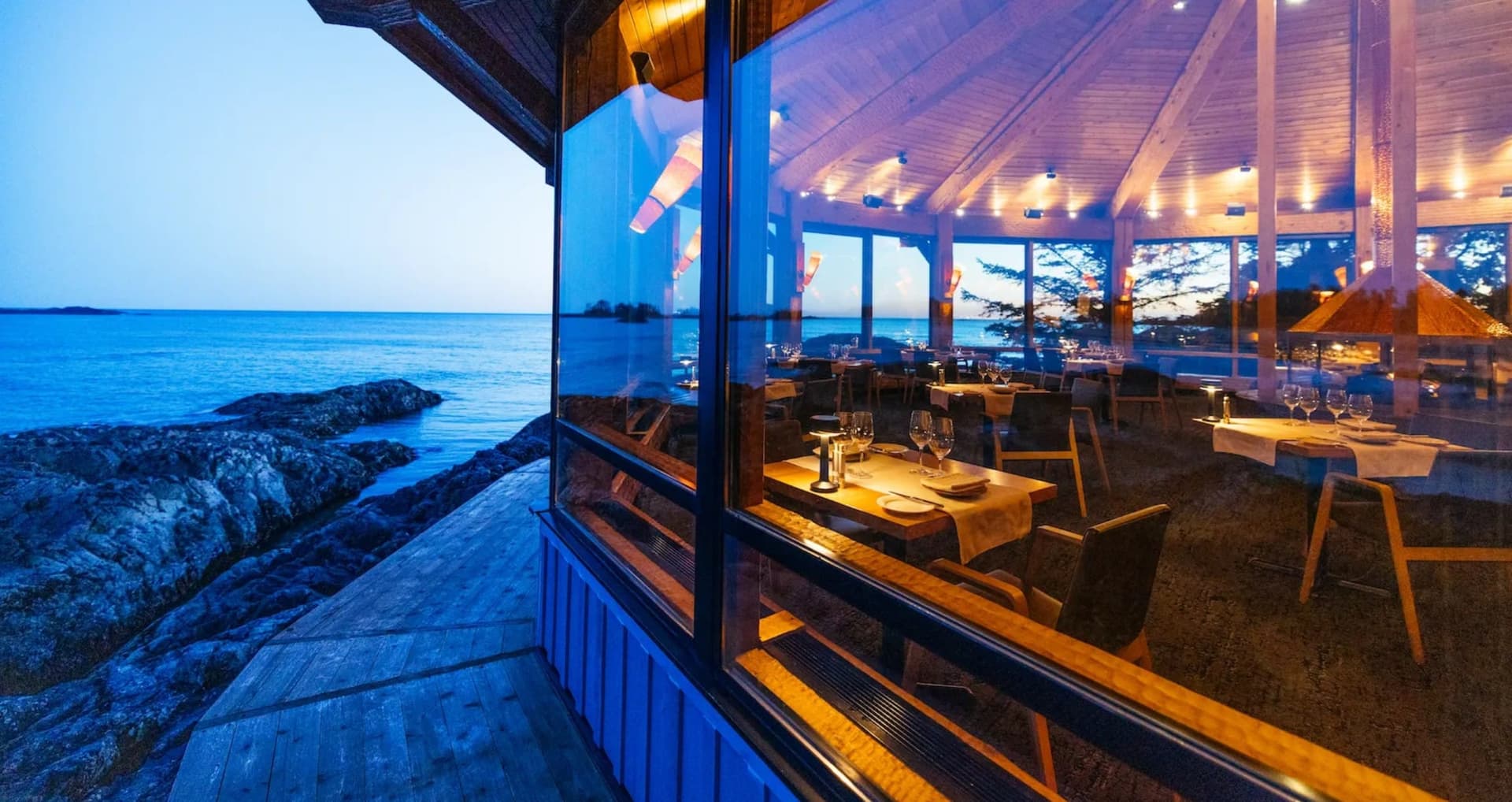
Long Beach stretches over 16 km through Pacific Rim National Park and is one of the most spectacular beaches in Canada. Here's everything you need to know before you go.
What Makes Long Beach So Special?
There are beautiful beaches on Vancouver Island. There are dramatic beaches, quiet beaches, surf beaches, and hiking beaches. But Long Beach, within Pacific Rim National Park Reserve, is something else: 16 continuous kilometres of wild Pacific coastline, backed by old-growth rainforest, with consistent surf, abundant wildlife, and a grandeur that stops you in your tracks the first time you see it.
It’s been voted Canada’s best beach multiple times. It’s the centrepiece of a UNESCO Biosphere Reserve. And it’s the reason Tofino became the destination it is today.
The Basics: What Is Long Beach?
Long Beach is the largest beach within the Long Beach Unit of Pacific Rim National Park Reserve — one of Canada’s most visited national parks. The beach runs roughly northwest to southeast, facing the open Pacific Ocean, and is divided into several named sections with different access points and characteristics.
Entry to the National Park costs $10.50 per person per day (free for children under 17 and Parks Canada Discovery Pass holders). The pass covers multiple entries throughout the day, so you can leave and return.
Long Beach Access Points
There are four main access points along Long Beach, each with parking lots, washrooms, and different beach characteristics:
Incinerator Rock
South End
The most dramatic access point. Excellent for wildlife viewing — sea lions, tidepools, and one of the best gray whale spotting locations from shore.
Wickaninnish Centre
Central
The main hub. Large parking area, the Wickaninnish Interpretive Centre, a good café, and easy beach access. Best for families.
Green Point
Central-North
Home to the park’s only campground. Access to the longest uninterrupted stretch of beach. The bluff view at sunset is extraordinary.
Combers Beach
North End
Often less crowded. The most consistent surf at the north end. Popular with surfers wanting more space. Gray whales spotted feeding here in season.
Surfing at Long Beach
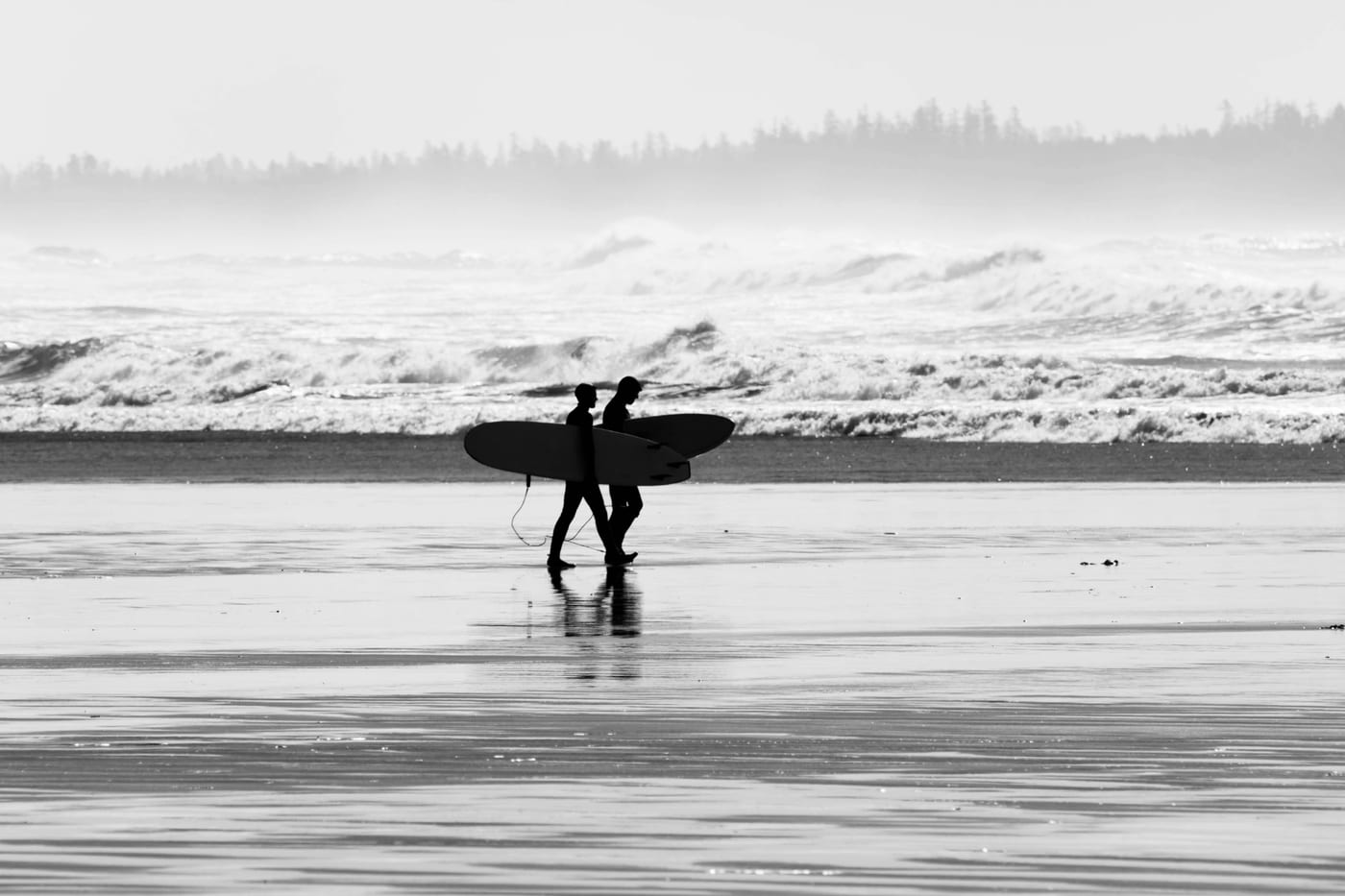
Long Beach is one of Canada’s premier surf destinations. The beach’s northwest-facing orientation catches swells from a wide range of directions, delivering consistent, surfable waves year-round. The sheer length of the beach means there’s almost always a spot that suits the conditions.
- Beginner surfing: The south end near Incinerator Rock on smaller swell days offers gentler waves suitable for lessons. Several surf schools operate within the park
- Intermediate surfing: The central sections around Wickaninnish have reliable, well-formed waves on medium swells
- Advanced surfing: Combers and the far north end produce the most powerful waves and attract experienced surfers, particularly during fall and winter swells
Wetsuit required: Water temperatures average 8–14°C year-round — a quality 4/3mm wetsuit is mandatory. All Tofino surf shops rent complete setups and are a short drive from the park entrance.
Wildlife at Long Beach
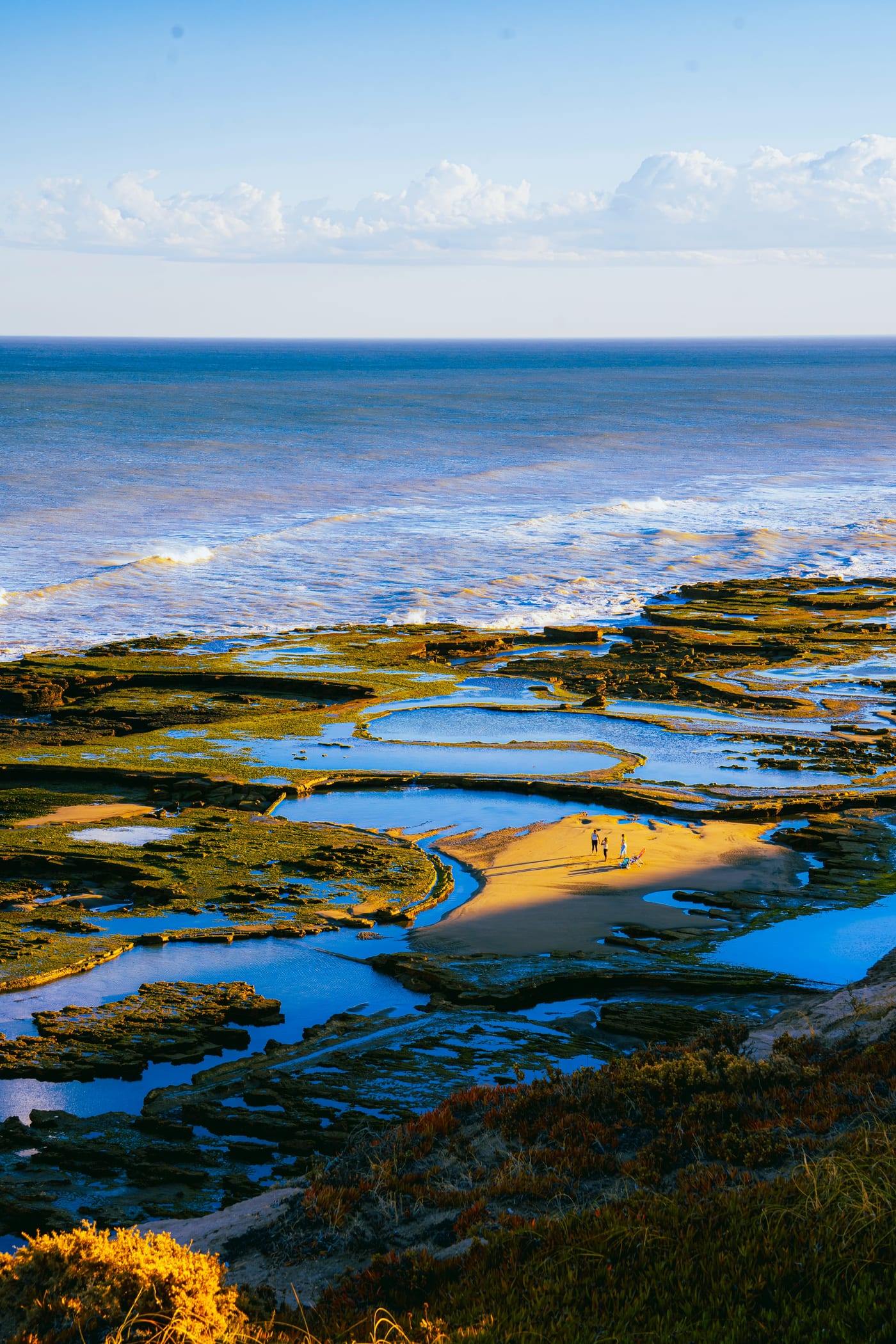
Long Beach is as much a wildlife destination as a beach destination. The combination of open ocean, rocky outcrops, tidepools, estuaries, and adjacent old-growth forest creates habitat for an extraordinary range of species:
- Gray whales — Resident feeding grays can be spotted from shore throughout summer; the full migration passes in March–April
- Black bears — Frequently seen on the beach at dawn and dusk, particularly near estuary areas at the north end
- Shorebirds — Massive flocks of western sandpipers, dunlins, and other shorebirds during spring and fall migrations
- Bald eagles — Year-round residents, often perched in the old-growth trees above the beach
- Sea lions — Steller sea lions haul out on Incinerator Rock and can be observed at close range
- Sea otters — Increasingly common since reintroduction; look for them floating in kelp beds offshore
Hiking Near Long Beach
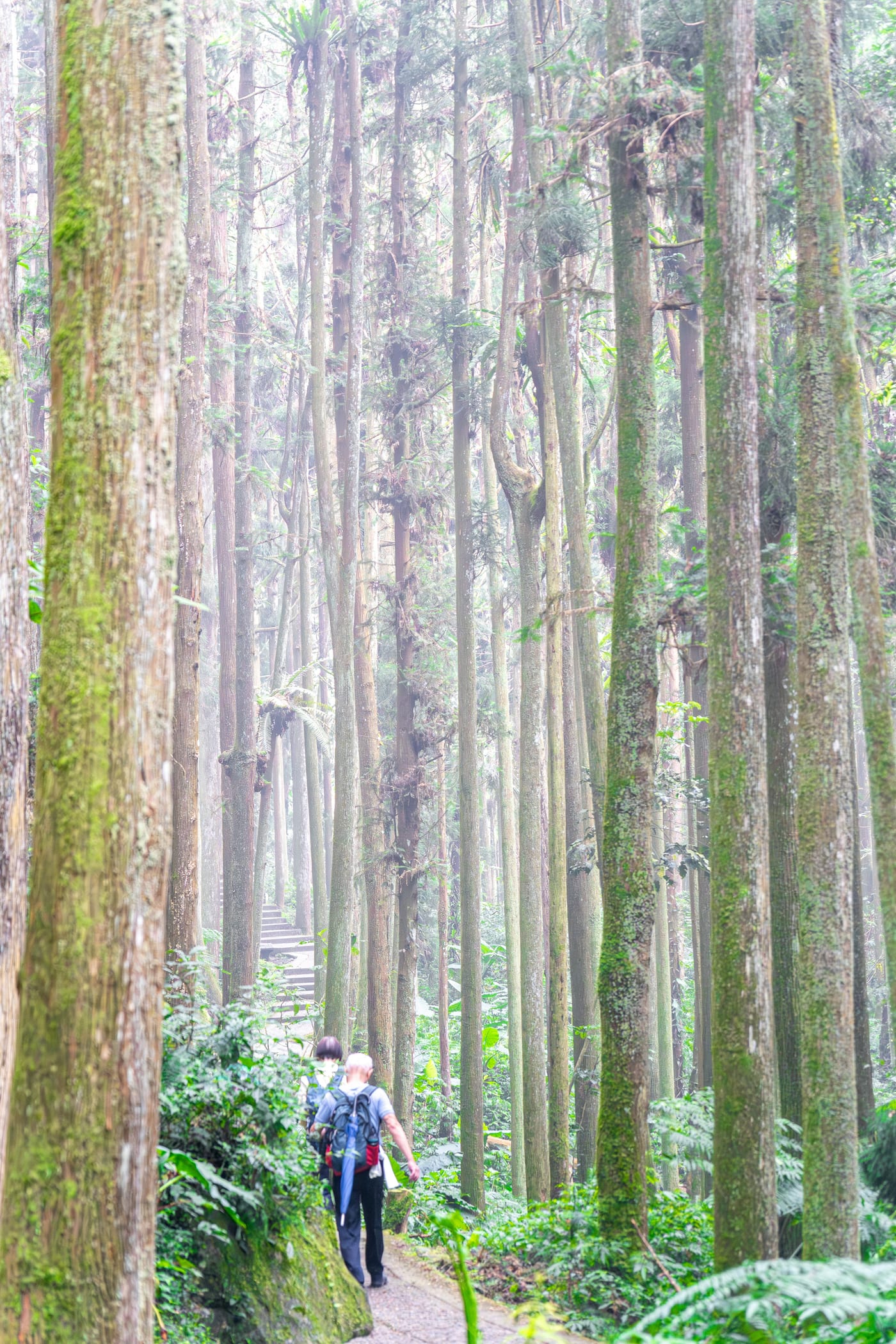
Several excellent trails start from or near the Long Beach access points:
- South Beach Trail (1.3 km loop) — Connects Florencia Bay to the south end of Long Beach through old-growth forest, with dramatic cliff viewpoints
- Shorepine Bog Trail (800m loop) — A fascinating boardwalk through a rare coastal bog ecosystem. Often overlooked, always rewarding
- Rainforest Trail (two 1km loops) — Ancient Sitka spruce and western red cedar draped in moss, accessible year-round. One of the most beautiful short walks on the coast
- Nuu-chah-nulth Trail (3.7 km one way) — Connects Long Beach to Florencia Bay through varied coastal ecosystems
Practical Tips for Visiting Long Beach
Getting to Long Beach from Tofino
Long Beach is located within Pacific Rim National Park, approximately 7 km south of Tofino town centre along Highway 4. The drive from Nootka Tofino at Chesterman Beach takes under 10 minutes. Parking is available at all four access points — expect to pay the national park day use fee at the automated kiosks.
The Tofino Bus also runs a seasonal shuttle service connecting Tofino town centre with Long Beach access points during summer months — a good option when parking is difficult.
The Best Time to Visit Long Beach
Summer
Warmest, most crowded, best for families and casual beach days
Fall
Dramatic light, powerful surf, storm watching begins — many visitors’ favourite season
Winter
Epic storm watching, massive waves, near-solitude on the beach
Spring
Whale migration, wildflowers, rainforest at its most vivid green
Guests at Nootka Tofino have easy access to Long Beach as a day trip while enjoying the more intimate setting of Chesterman Beach — steps from the property — as their home base. The combination of proximity to Tofino’s town services, direct Chesterman Beach access, and a short drive to Long Beach makes North Chesterman one of the best-positioned locations on the whole peninsula.
Staying at Nootka House at North Chesterman Beach gives you the perfect base for day trips to Long Beach while returning to a private sauna and hot tub each evening. Book direct and save vs. Airbnb.