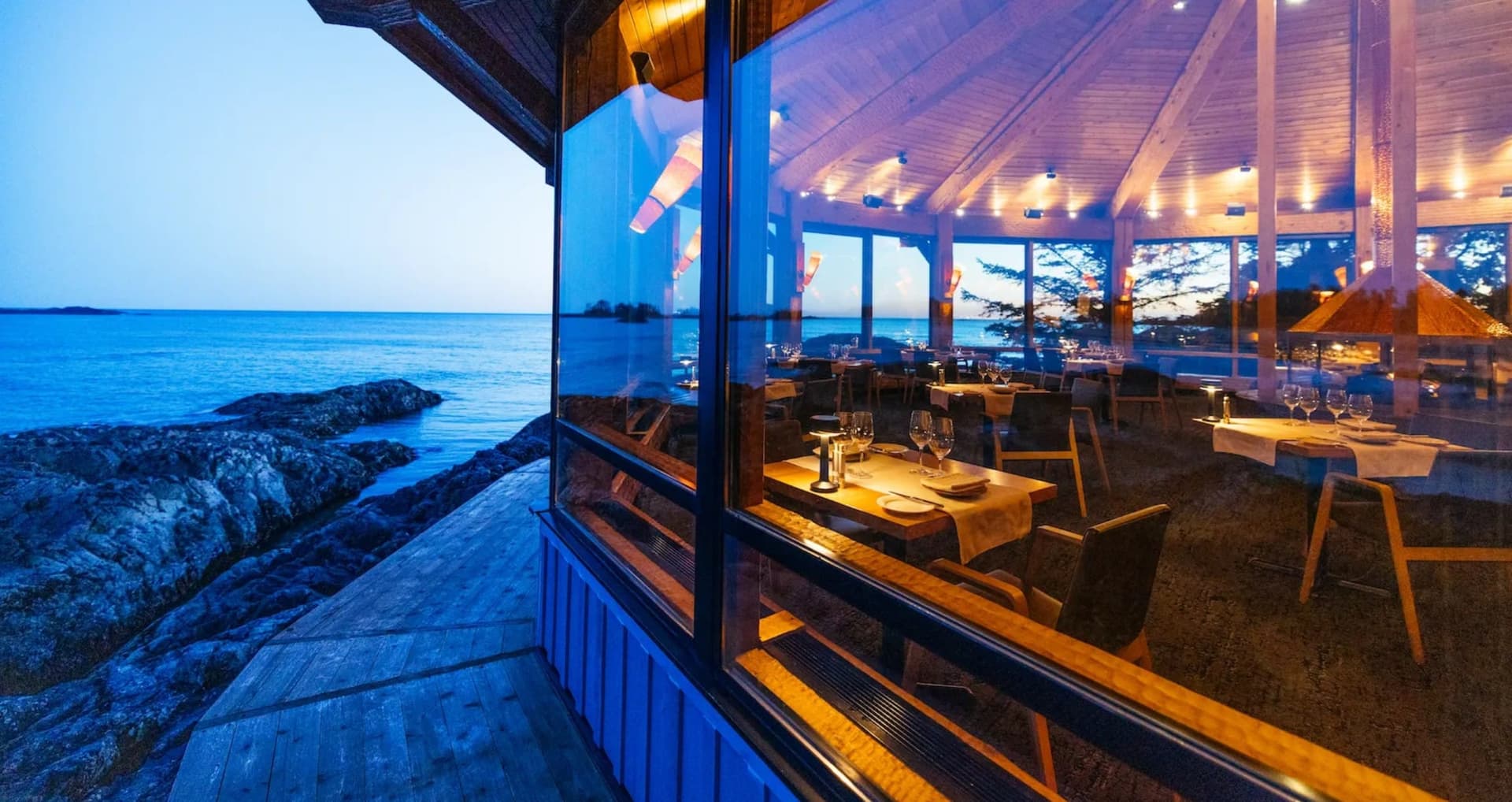
Tofino is magical year-round, but each season delivers a completely different experience. Here's exactly what to expect every month so you can plan the perfect trip.
Summer · June–Sept
Families, first-timers, beach days
Crowds: High · $$$$
Fall · Sept–Nov
Surfers, photographers, couples
Crowds: Medium · $$$
Winter · Dec–Mar
Storm watchers, serious surfers
Crowds: Low · $$
Spring · Mar–May
Wildlife, hikers, whale watchers
Crowds: Low–Med · $$–$$$
Tofino Year-Round: Why There’s No “Bad” Time to Visit
Unlike many destinations that have a single peak season, Tofino is genuinely spectacular in every season. The Pacific Coast rainforest, the wild beaches, and the ocean don’t disappear in winter — they transform. The question isn’t whether to visit Tofino, it’s which version of Tofino suits your travel style best.
Here’s what you can realistically expect month by month.
Summer (June – September): The Classic Season
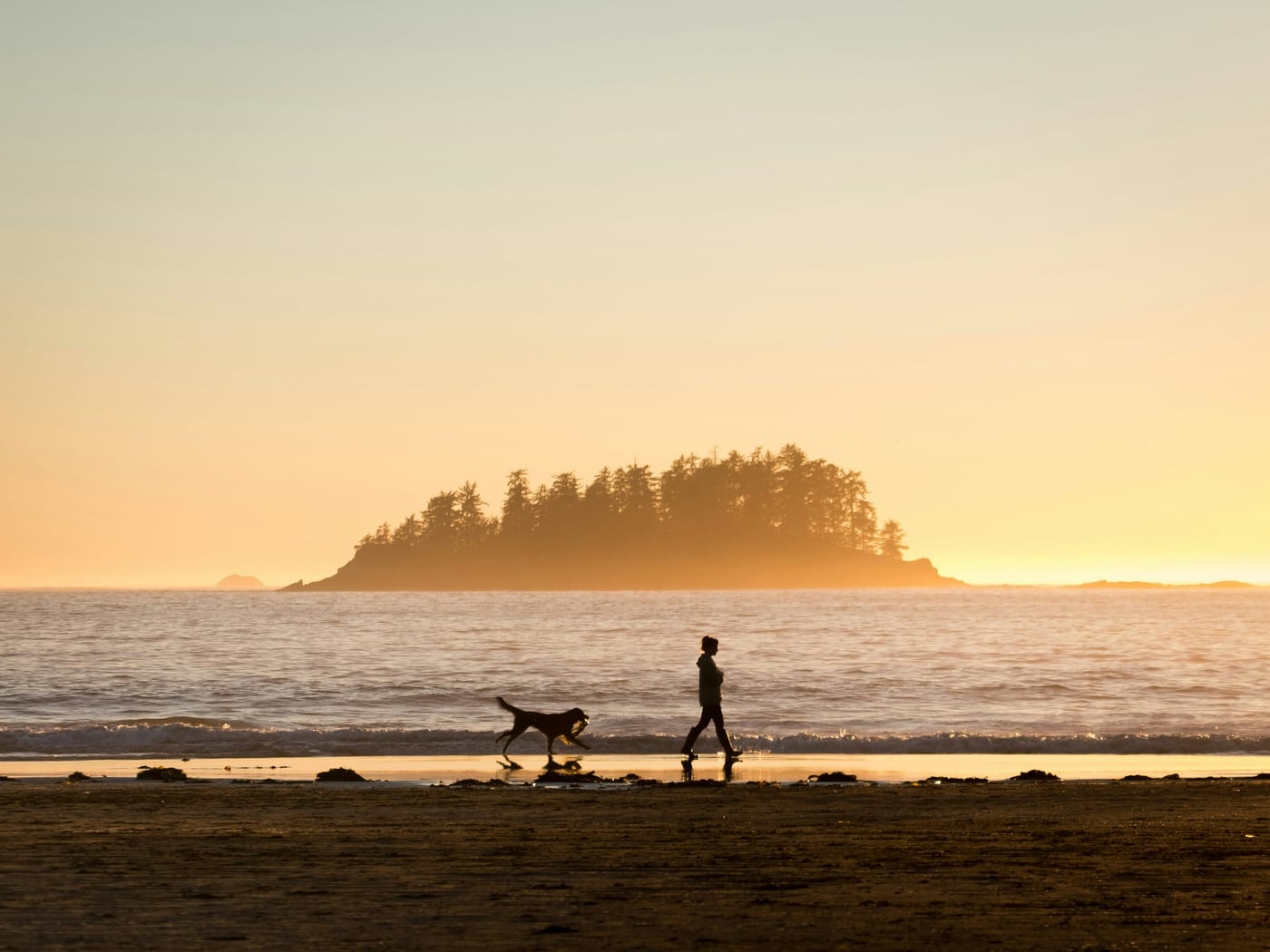
Best for: Families, first-timers, beginner surfers, beach lovers
Summer is undeniably Tofino’s most popular time. Long days stretch to nearly 16 hours of daylight in June, temperatures reach a comfortable 18–22°C, and the Pacific swells are at their smallest and most forgiving — ideal for surf lessons. The beaches are at their best, the restaurants are fully staffed, and every tour and activity operates at full capacity.
- July and August are peak season — book accommodation and restaurants 2–3 months in advance
- June and September offer nearly the same conditions with noticeably fewer crowds and lower prices
- Water temperature reaches its warmest at around 14°C — still wetsuit territory, but manageable
- Whale watching tours frequently spot gray whales, humpbacks, and orcas
Sweet spot: Late June or early September gives you peak summer quality without peak summer crowds — and you’ll likely save on accommodation too.
Fall (September – November): The Surfer’s Season
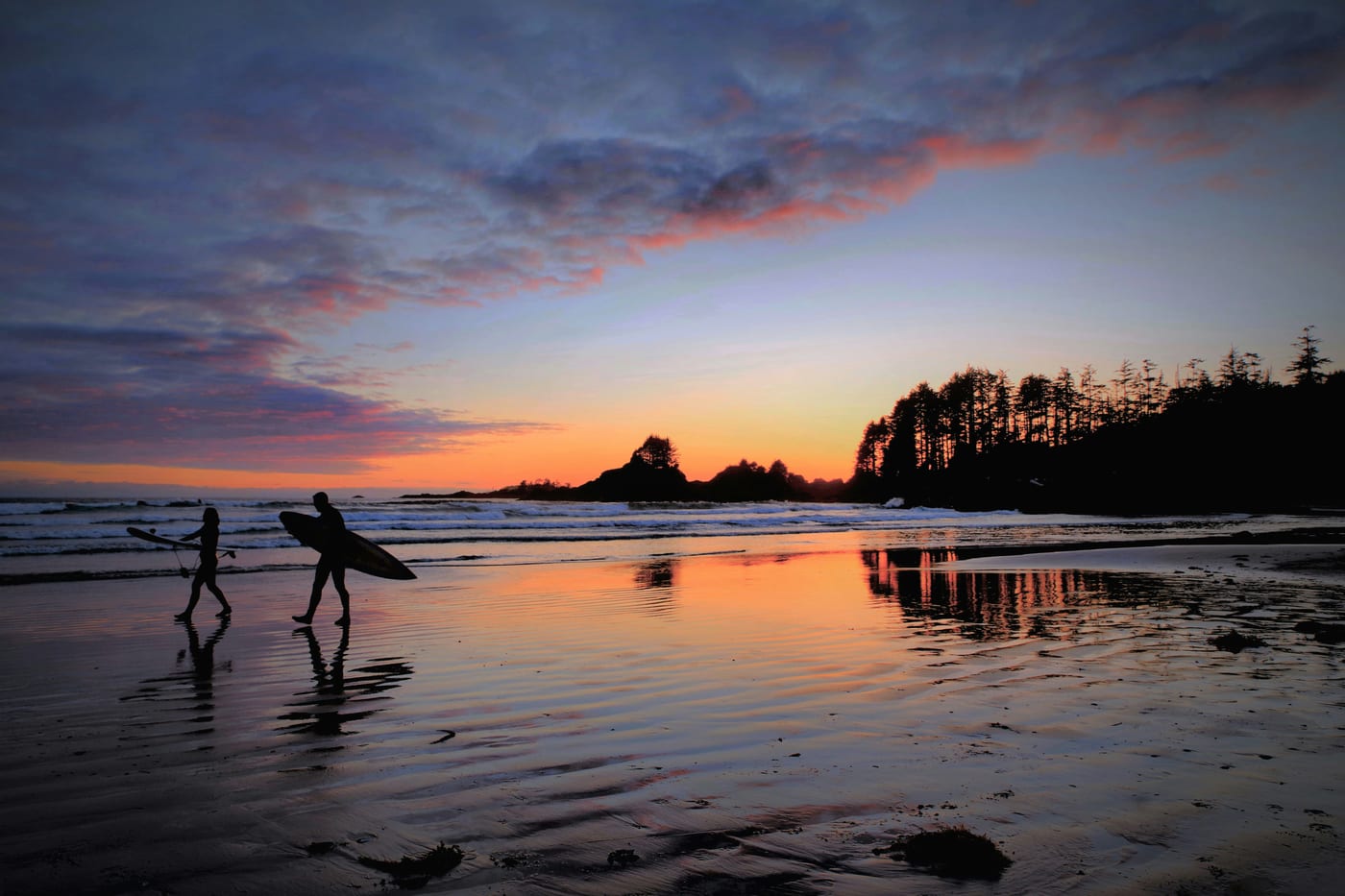
Best for: Experienced surfers, storm watchers, photographers, couples
Ask any local when their favourite season is and most will say fall without hesitation. The crowds have thinned dramatically, the light turns golden and dramatic, and the North Pacific starts delivering the powerful swells that made Tofino famous. Air temperatures sit comfortably in the 10–15°C range — cool enough to need a jacket, but far from cold.
- Surf conditions are at their best for intermediate and advanced surfers from September through November
- Fall mushroom season makes the rainforest trails particularly rewarding
- Storm watching begins in earnest in October — there’s nothing quite like watching Pacific waves crash while warm inside a beach house
- Many restaurants and shops remain open through October; some reduce hours in November
Local tip: Storm season technically starts in fall but peaks in winter — October and November offer the drama of building storms without the full intensity of January.
Winter (December – March): Storm Watching Season
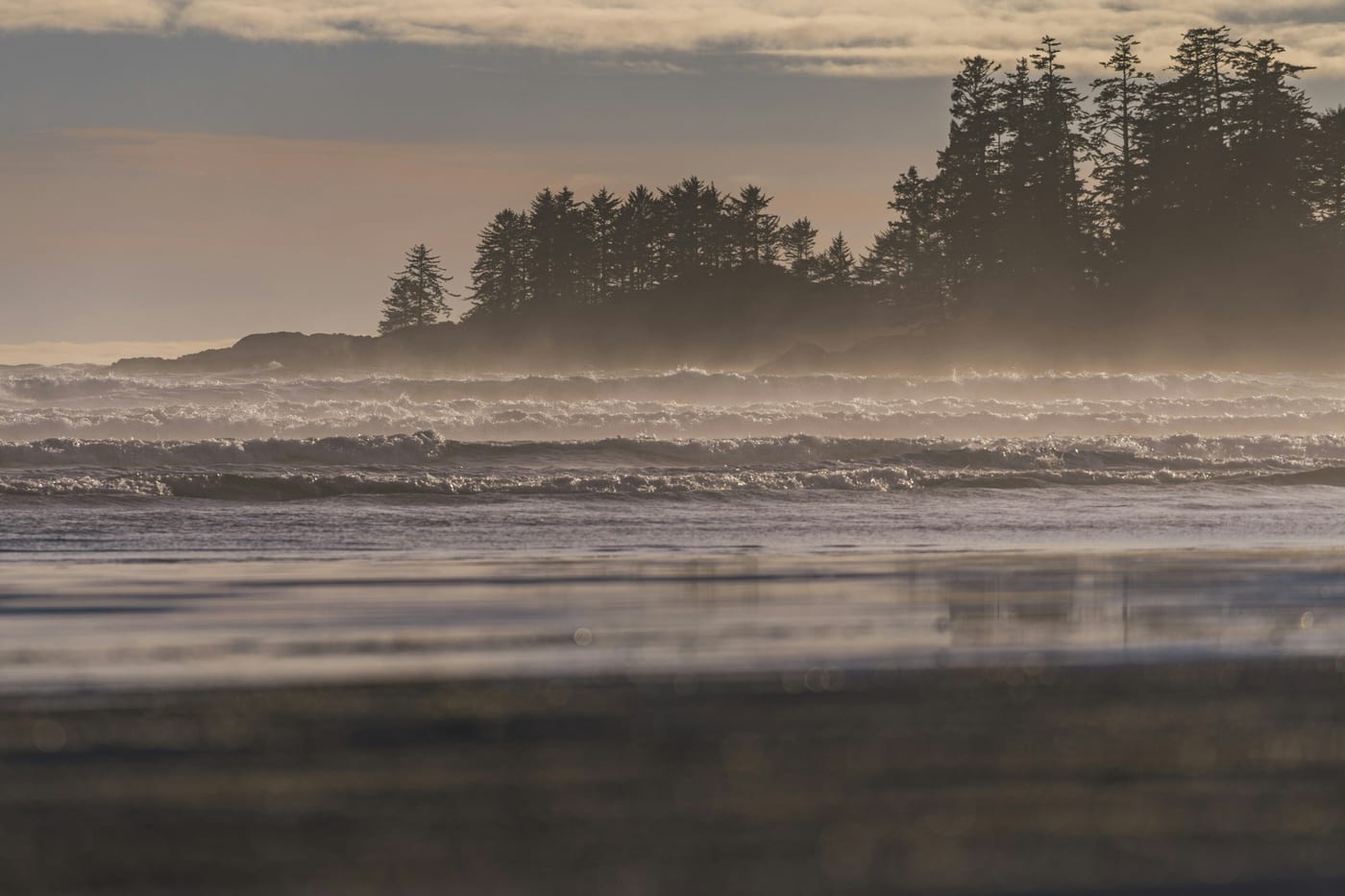
Best for: Storm watchers, budget travellers, solitude seekers, serious surfers
Tofino in winter is not for everyone — but for those who seek it out, it can be the most memorable visit of all. Pacific storms bring waves that exceed 10 metres, the rainforest drips with atmosphere, and the beach is yours almost entirely. Rates drop significantly — often 30–40% below summer prices.
- Storm watching is best from January through March when the biggest North Pacific systems arrive
- Some smaller restaurants and operators close for January or February — always call ahead
- Winter surfing draws dedicated wave riders from across Canada for the massive swells
- Wildlife viewing includes gray whale migration beginning in March and black bear activity
- The cedar barrel sauna and hot tub become truly essential after a storm walk on the beach
Budget tip: February and March offer exceptional value — rates 30–40% below summer — and the gray whale migration begins in late March.
Spring (March – May): The Hidden Season
Best for: Wildlife enthusiasts, hikers, budget-conscious couples
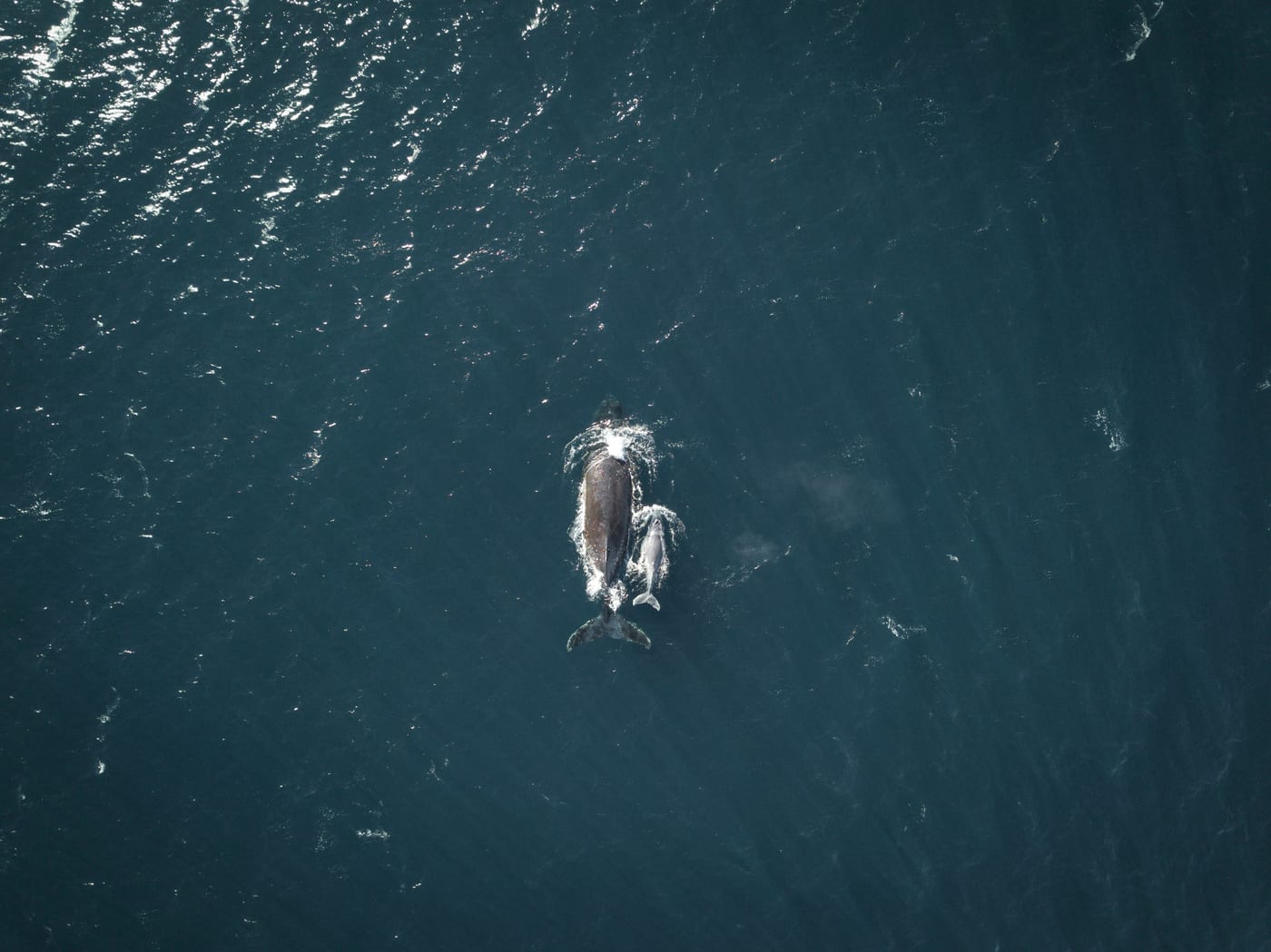
Spring is Tofino’s most underrated season. The gray whale migration peaks in March and April — one of the world’s great wildlife spectacles, with over 20,000 gray whales passing just offshore on their 8,000 km journey from Baja California to the Arctic. The rainforest is vivid green, wildflowers emerge along the trails, and the town is quiet but open.
- Gray whale migration peaks in late March and April — the best time for whale watching
- The annual Tofino Shorebird Festival in May celebrates the Pacific Flyway migration
- Surf conditions are improving as the big winter swells begin to ease
- April and May temperatures reach 12–17°C with increasing sunny periods
- Accommodation prices are well below summer rates through April
Don’t miss: The gray whale migration in late March is one of Canada’s great wildlife events. Book a boat tour and bring binoculars — gray whales are regularly spotted feeding in the shallows directly from Chesterman Beach.
Tofino Events Calendar
Quick Reference: Best Time to Visit Tofino
| Season | Best For | Crowds | Price |
|---|---|---|---|
| June–Sept | Families, beginners | High | $$$$ |
| Sept–Nov | Surfers, photographers | Medium | $$$ |
| Dec–Mar | Storm watchers, surfers | Low | $$ |
| Mar–May | Wildlife, hikers | Low–Medium | $$–$$$ |
Staying at Nootka Tofino Year-Round
One of the advantages of staying at Nootka Tofino is that the property is genuinely great in every season. In summer, the half-acre property and deck are perfect for evening gatherings. In fall and winter, the cedar barrel sauna heating to 90°C and the 6-person hot tub become the heart of the experience — warming up after a surf session or storm walk is something guests consistently mention in reviews. In spring, stepping out to Chesterman Beach for the morning with a coffee is one of life’s great pleasures.
Whatever season calls to you, Tofino will deliver something memorable. The only question is which version of this remarkable place you want to experience first.
Ready to plan your visit? Check availability at Nootka House — a Tofino vacation rental at Chesterman Beach that's ideally set up for every season, with a cedar barrel sauna, hot tub, and half-acre property steps from the sand.